
If you’ve recently installed a heat pump – or you’re thinking about it – one of the first questions that comes to mind is how long does a heat pump last? It’s a fair thing to want to know before making a significant investment in your home’s comfort system.
The good news is that heat pumps are built to last, and with the right care they can serve your home reliably for many years. Our heat pump services team works with homeowners across the Cowichan Valley and Vancouver Island, and we’ve seen well-maintained systems go strong well beyond their expected lifespan.
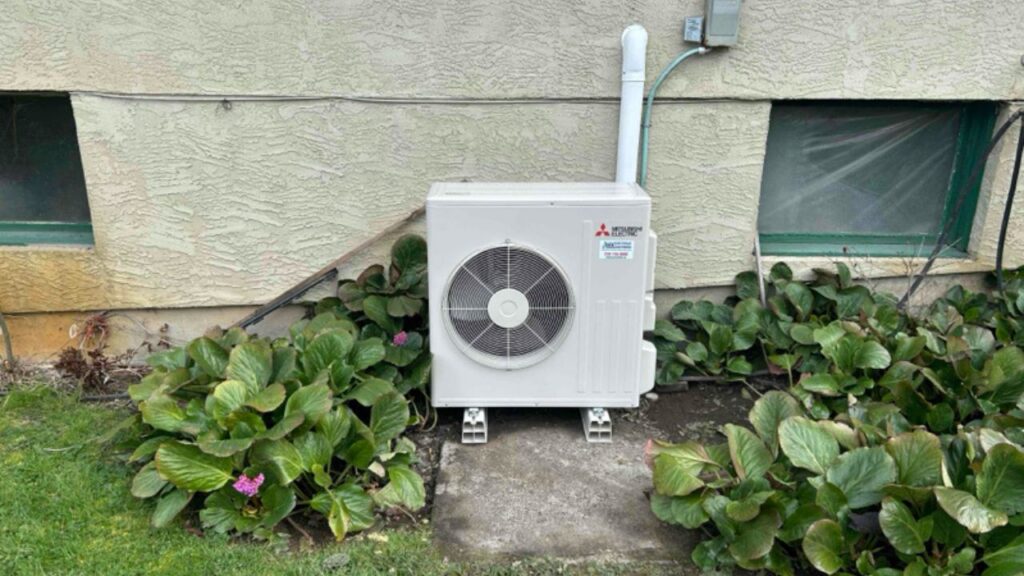
How Long Does a Heat Pump Last on Average?
Most heat pumps last between 15 and 20 years. Some well-maintained systems push past that range, while others that have been neglected or poorly installed may start showing problems earlier.
For context, that’s a similar lifespan to a gas furnace and longer than many standalone air conditioners, which typically last 10 to 15 years. Because a heat pump handles both heating and cooling in one unit, you’re also getting more value out of that lifespan than you would from two separate systems.
Ductless mini-split systems tend to have a slightly longer track record in terms of durability, partly because their components are simpler and they don’t rely on ductwork that can harbour dust, moisture, and wear over time.
Factors That Affect Heat Pump Lifespan
Not all heat pumps age the same way. A few key factors have a big influence on how long yours will last.
Installation quality. A properly sized and installed heat pump puts less strain on its components from day one. An undersized or oversized system – or one that wasn’t commissioned correctly – works harder than it needs to and wears out faster. This is one of the most important reasons to choose a qualified, experienced installer.
How hard the system works. A heat pump in a well-insulated home that doesn’t need to run constantly will last longer than one in a draughty home that’s working overtime to maintain a comfortable temperature. Improving your home’s insulation and sealing up air leaks benefits your heat pump as much as it benefits your energy bills.
Climate and environment. Coastal environments like Vancouver Island can expose outdoor units to salt air and moisture over time. While modern heat pumps are built to handle this, keeping the outdoor unit clear of debris and ensuring good drainage around it helps manage wear.
Maintenance history. This is the single biggest factor within a homeowner’s control. A heat pump that’s serviced regularly lasts significantly longer than one that isn’t. More on this below.
Brand and equipment quality. Not all heat pumps are made equal. Systems from reputable manufacturers – built to perform in Canadian climates – tend to have better longevity than budget alternatives.
Signs Your Heat Pump May Be Nearing the End of Its Life
Even a well-maintained heat pump will eventually show signs of age. Here’s what to watch for:
- The system is running but not heating or cooling as effectively as it used to
- Energy bills are creeping up without an obvious explanation
- The system is cycling on and off more frequently than normal
- You’re dealing with recurring repairs – especially if the same parts keep failing
- The unit is making new noises it didn’t used to make
- The system is over 15 years old and starting to need attention more regularly
None of these signs on their own mean immediate replacement is necessary. But if several are showing up at once – particularly in an older system – it’s worth having a technician take a look and give you an honest assessment of where things stand.

How to Extend the Life of Your Heat Pump
The most effective thing you can do to get the most out of your heat pump is to keep up with regular maintenance. According to Natural Resources Canada, routine servicing is essential to maintaining heat pump efficiency and longevity.
Here’s what good ongoing care looks like:
Schedule annual professional servicing. A yearly inspection and tune-up lets a technician check refrigerant levels, clean the coils, inspect electrical connections, lubricate moving parts, and catch anything that’s starting to wear before it becomes a bigger issue. Our HVAC maintenance team offers this service to homeowners across the Cowichan Valley and beyond.
Clean or replace filters regularly. Depending on your system and household, filters should be checked every one to three months. A clogged filter restricts airflow, forces the system to work harder, and accelerates wear on components.
Keep the outdoor unit clear. Leaves, grass clippings, and debris can block airflow around the outdoor unit. Give it a visual check from time to time and clear anything that’s built up around it. Make sure nothing is leaning against or blocking the unit.
Don’t ignore unusual behaviour. Strange noises, reduced performance, or unexplained increases in your energy bill are all worth looking into promptly. Small problems left unaddressed tend to become bigger ones.
Keep indoor vents unobstructed. Furniture or curtains blocking supply and return vents force the system to work against itself. Make sure airflow can move freely through your home.
Repair or Replace? Knowing When It’s Time
At some point, every heat pump reaches the stage where the question shifts from maintenance to replacement. A few things to weigh when you’re at that crossroads:
Age of the system. If the heat pump is under 10 years old and the issue is isolated, repair usually makes sense. If it’s pushing 15 to 20 years and problems are becoming frequent, replacement is likely the better long-term investment.
Cost of the repair vs cost of replacement. A common rule of thumb is that if a repair costs more than half the price of a new system, replacement deserves serious consideration – especially if the system is already in its later years.
Efficiency of the current system. Older heat pumps are significantly less efficient than modern units. Replacing an aging system with a new high-efficiency model can reduce your energy bills noticeably, which helps offset the upfront cost over time.
Availability of rebates. If your current system is nearing the end of its life, replacing it now while BC rebates are available through CleanBC and BC Hydro could make a new installation considerably more affordable. Visit our rebate programs page for current details.
Our team can assess your system honestly and help you decide whether a repair or a replacement makes more financial sense for your situation.
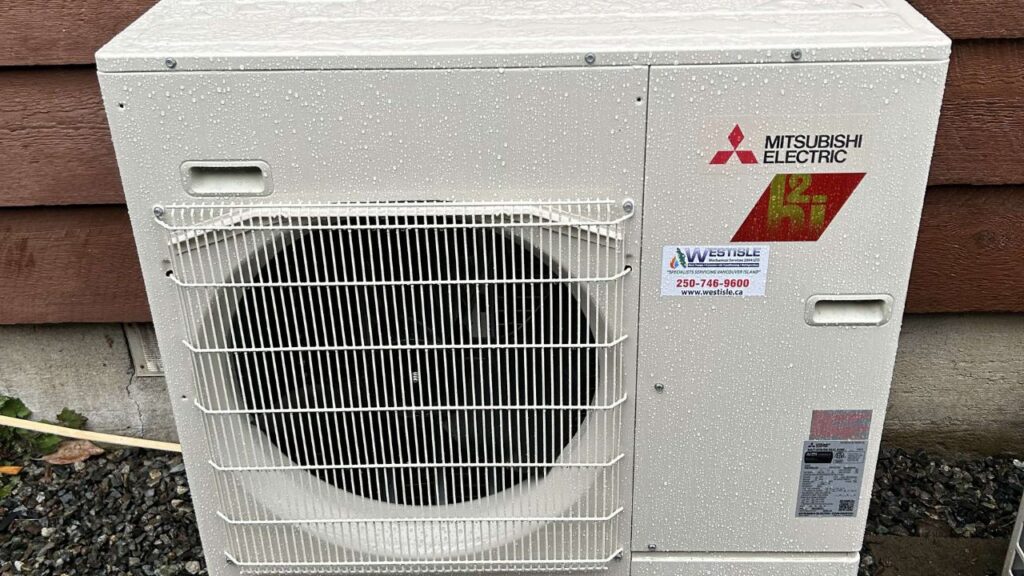
Getting the Most From Your Investment
How long does a heat pump last? For most homeowners, 15 to 20 years – and often longer with consistent care. The systems that reach and exceed that range almost always have one thing in common: they’ve been well-maintained from the start.
Westisle Heating & Cooling has been servicing and installing heat pumps across Duncan and Vancouver Island since 1989. Whether you need a routine tune-up, a repair assessment, or advice on whether it’s time for a replacement, we’re here to give you a straight answer.
Get in touch with our team today and we’ll help you keep your system running as long as possible.
Frequently Asked Questions
How long does a heat pump last on average?
Most heat pumps last between 15 and 20 years with regular maintenance. Some well-maintained systems last longer, while poorly maintained or incorrectly installed systems may start having issues earlier.
Do ductless heat pumps last longer than ducted systems?
Ductless systems often have a slight longevity advantage because they have fewer components and don’t rely on ductwork. Both types can reach 15 to 20 years or more with proper care.
What shortens a heat pump’s lifespan the most?
Lack of maintenance is the most common culprit. Running the system with a clogged filter, skipping annual servicing, and ignoring early warning signs all put unnecessary strain on components and shorten the system’s life.
How do I know if my heat pump needs replacing?
Signs to watch for include reduced heating or cooling performance, rising energy bills, frequent repairs, short cycling, and unusual noises – particularly in a system that’s already 15 or more years old. A technician can assess the system and give you an honest recommendation.
Is it worth repairing an older heat pump?
It depends on the age of the system and the cost of the repair. If the system is under 10 years old and the issue is minor, repair usually makes sense. For older systems with recurring problems, replacement often offers better long-term value – especially if BC rebates are available to offset the cost.
How often should a heat pump be serviced?
Once a year is the standard recommendation. Annual servicing keeps efficiency high, extends the system’s lifespan, and gives a technician the chance to catch minor issues before they turn into costly repairs.