
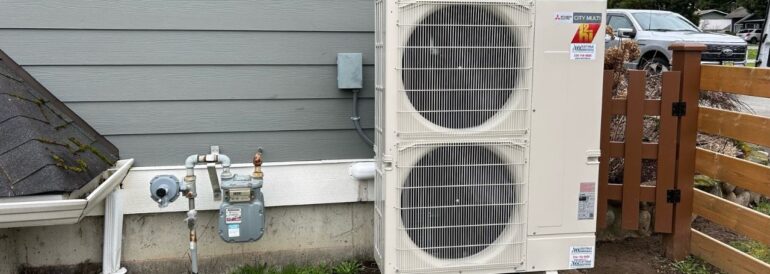
If you’re considering a heat pump, questions about electricity use tend to come up early in the conversation. It makes sense – a system that runs year-round for both heating and cooling sounds like it could have a real impact on your monthly bills. But the reality is often more reassuring than homeowners expect.
The short answer is that heat pumps are among the most electrically efficient home comfort systems available. Understanding why helps put the numbers in perspective. Our heat pump services team works with homeowners across the Cowichan Valley and Vancouver Island, and this is one of the most common questions we hear before installation.
Why Heat Pumps Are Different From Other Electric Systems
To understand heat pump electricity use, it helps to know what the system is actually doing with that electricity.
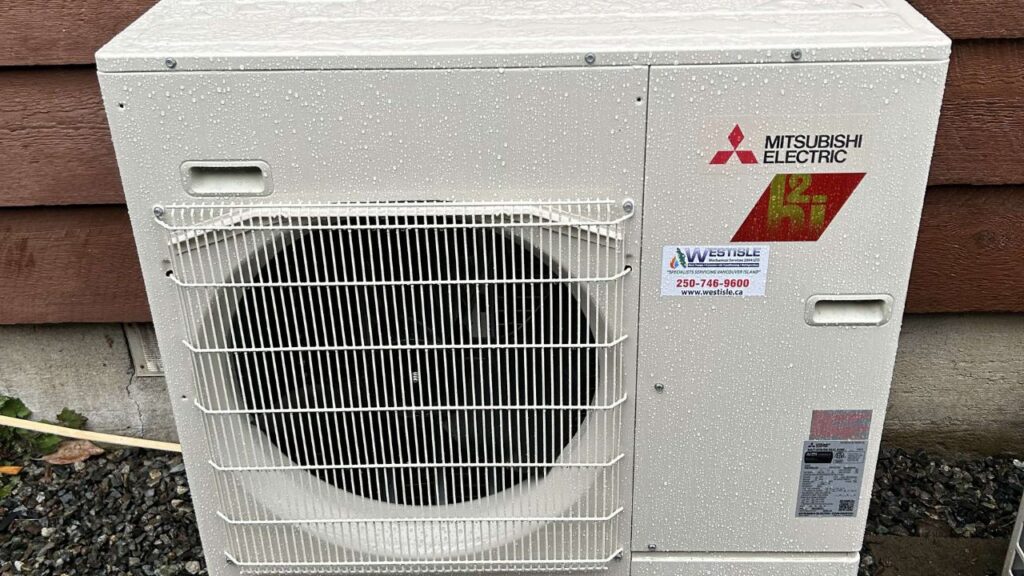
An electric baseboard heater or electric furnace converts electricity directly into heat – one unit of electricity in, one unit of heat out. A heat pump works differently. It uses electricity to move heat from one place to another rather than generating it from scratch. In winter, it extracts heat energy from the outdoor air and transfers it inside. In summer, it reverses that process to cool your home.
Because it’s relocating heat rather than creating it, a heat pump can deliver far more heating output than the electricity it consumes. According to Natural Resources Canada, heat pumps can produce two to three units of heat energy for every single unit of electricity used. That ratio is what sets them apart.
How Heat Pump Electricity Use Compares to Other Systems
The question of whether a heat pump uses a lot of electricity is really a question of comparison. Here’s how they stack up against the most common alternatives.
Electric baseboard heaters. This is where the efficiency advantage is most dramatic. Baseboards operate at a 1:1 ratio – one unit of electricity produces one unit of heat. A heat pump producing two to three times that amount of heat from the same electricity input is a significant step up. Homeowners switching from electric baseboards typically see a meaningful reduction in energy costs after making the switch.
Gas furnaces. A gas furnace runs on fuel rather than electricity, so the comparison is less straightforward. A heat pump will use more electricity than a gas furnace – but it uses no gas at all. Whether your total energy costs go up or down depends on the relative price of electricity and natural gas in your area. For many BC homeowners, where electricity rates are relatively affordable and the grid runs predominantly on hydropower, the switch is cost-neutral or better – especially when rebates are factored in.
Central air conditioners. When comparing cooling performance specifically, a heat pump and a high-efficiency air conditioner use broadly similar amounts of electricity. The heat pump’s advantage is that it also replaces a separate heating system, handling both jobs with one unit.
What Affects How Much Electricity Your Heat Pump Uses?
A heat pump’s electricity consumption isn’t a fixed number – several factors influence how hard the system needs to work at any given time.
Outdoor temperature. Heat pumps work most efficiently in mild weather. As outdoor temperatures drop, the system works harder to extract heat from the air, which increases electricity use. Modern cold-climate heat pumps are engineered to manage this well – on Vancouver Island, where winters are relatively mild, this is rarely a significant factor.
Home insulation and air sealing. A well-insulated home holds onto heat more effectively, which means the system runs for shorter periods to maintain a comfortable temperature. Improving insulation and sealing up drafts reduces how hard any heating system has to work – heat pump or otherwise.
Correct system sizing. A heat pump that’s properly sized for your home runs in efficient, steady cycles. An undersized system runs almost constantly trying to keep up, while an oversized system short-cycles – switching on and off too frequently – and neither is ideal for efficiency or comfort. Getting sizing right at installation is one of the most important factors.
Thermostat habits. Large, sudden temperature adjustments require more effort from the system than steady, gradual settings. Keeping your thermostat at a consistent, moderate temperature is easier on the heat pump and more efficient than letting the temperature swing widely through the day.
Maintenance. A well-maintained heat pump runs at its rated efficiency. Dirty filters, low refrigerant levels, or worn components all force the system to work harder than it should, increasing electricity consumption in the process.
Will a Heat Pump Increase My Electricity Bill?
It depends on what you’re currently heating with.
If your home is heated with electric baseboards, you’ll likely see your electricity bill go down after switching to a heat pump. The efficiency gain is substantial enough that most households use noticeably less electricity overall, even with the heat pump running year-round for cooling as well.
If you’re switching from a gas furnace, your electricity bill will increase – because you’re shifting that energy load from gas to electricity. Whether your total energy spend goes up, down, or stays roughly the same depends on current energy prices and your home’s heating demand. Many BC homeowners find the transition cost-neutral or better, particularly with the rebates currently available through CleanBC and BC Hydro. Visit our rebate programs page to see what may apply to your situation.
For homeowners replacing an older, lower-efficiency system of any type, the improved efficiency of a modern heat pump frequently delivers real savings over time.
Practical Ways to Keep Electricity Use Low
A few simple habits make a genuine difference to how efficiently your heat pump runs.
- Check and replace your filter every one to three months. A clogged filter restricts airflow and forces the system to work harder than it needs to.
- Use a programmable or smart thermostat to maintain consistent temperatures rather than large swings throughout the day.
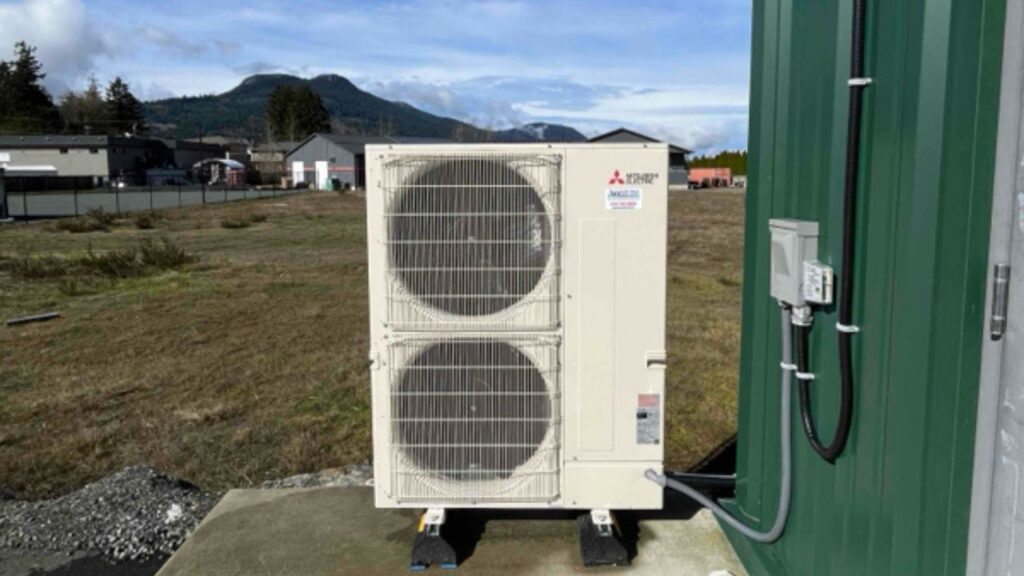
- Keep the outdoor unit clear of leaves, debris, and vegetation, and make sure nothing is obstructing airflow around it.
- Keep indoor vents and registers open and unobstructed so air can circulate freely through your home.
- Schedule annual professional servicing to keep every component running at its rated efficiency.
Our HVAC maintenance team serves homeowners across the Cowichan Valley and can keep your heat pump operating at peak efficiency year after year.
The Honest Answer on Heat Pump Electricity Use
Do heat pumps use a lot of electricity? Relative to the heating output they produce, no – they’re one of the most efficient systems available. Relative to a gas furnace, yes, they use more electricity, but they eliminate gas consumption entirely.
The more useful question is what a heat pump would mean for your specific home, given your current system, your insulation, and your energy costs. A qualified technician can walk you through realistic numbers before you commit to anything.
Westisle Heating & Cooling has been helping homeowners across Duncan and Vancouver Island make confident heating and cooling decisions since 1989. If you’d like to understand what a heat pump would mean for your energy bills, we’re happy to talk it through.
Get in touch with our team today and we’ll give you a clear, honest picture of what to expect.
Frequently Asked Questions
Do heat pumps use a lot of electricity compared to other heating systems?
Compared to electric baseboard heaters, heat pumps use significantly less electricity for the same heating output – typically two to three times less. Compared to gas furnaces, they use more electricity but no gas at all. The overall cost comparison depends on local energy prices and your home’s setup.
Will my electricity bill go up if I switch to a heat pump?
It depends on your current heating system. Homeowners replacing electric baseboards typically see their electricity bills decrease. Those switching from gas will see electricity use increase, but gas costs disappear. Many BC homeowners find the overall energy cost is neutral or better, especially after rebates.
Do heat pumps use more electricity in cold weather?
Yes, somewhat. As outdoor temperatures fall, the system works harder to extract heat from the air, which increases electricity draw. Modern cold-climate heat pumps are designed to handle this efficiently, and on Vancouver Island’s relatively mild winters, the impact is generally modest.
What is the most efficient way to run a heat pump?
Keep filters clean, maintain consistent thermostat settings, ensure the outdoor unit has good clearance, and schedule annual professional servicing. A properly sized, well-maintained heat pump in a reasonably insulated home will run at its best efficiency.
Is a heat pump more efficient than an electric furnace?
Yes – considerably. An electric furnace converts electricity to heat at a 1:1 ratio. A heat pump delivers two to three units of heat per unit of electricity, making it significantly more efficient for the same heating output.
How do I know if a heat pump will save me money?
The best way is to talk with a qualified technician who can assess your home, your current heating system, and your energy costs. They can give you a realistic estimate of what to expect before you make any decisions.