
The quick answer
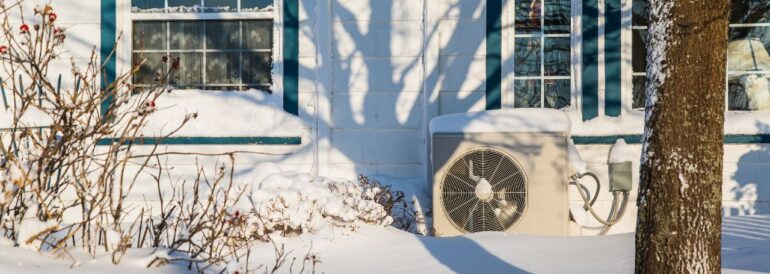
- Yes. Modern cold climate heat pumps keep heating well below freezing, with many models rated to work at minus 25°C or colder.
- Vancouver Island winters are mild for a heat pump. In Duncan, the average January low sits around 0°C, well inside a heat pump’s comfort zone.
- Efficiency dips as it gets colder, but doesn’t disappear. Even on a frosty morning, a well sized heat pump still delivers more heat than the electricity it uses.
If you’ve heard that heat pumps quit when the temperature drops, that reputation comes from older equipment. So do heat pumps work in cold weather today? They do, and the Cowichan Valley is one of the easiest places in Canada to prove it. Our heat pump services team installs and maintains systems from Shawnigan Lake to Nanaimo, and this is the question we hear most from homeowners thinking about making the switch.

How a Heat Pump Finds Heat in Cold Air
It sounds backwards, but cold air still holds heat energy. A heat pump uses refrigerant that boils at very low temperatures, so even when it’s near freezing outside, the refrigerant can absorb heat from the air. The compressor then concentrates that heat and moves it indoors.
Because a heat pump moves heat instead of creating it from fuel, it can deliver more heat energy than the electricity it consumes. Natural Resources Canada notes that this is what makes heat pumps so much more efficient than baseboards or an electric furnace.
What Vancouver Island Winters Actually Look Like
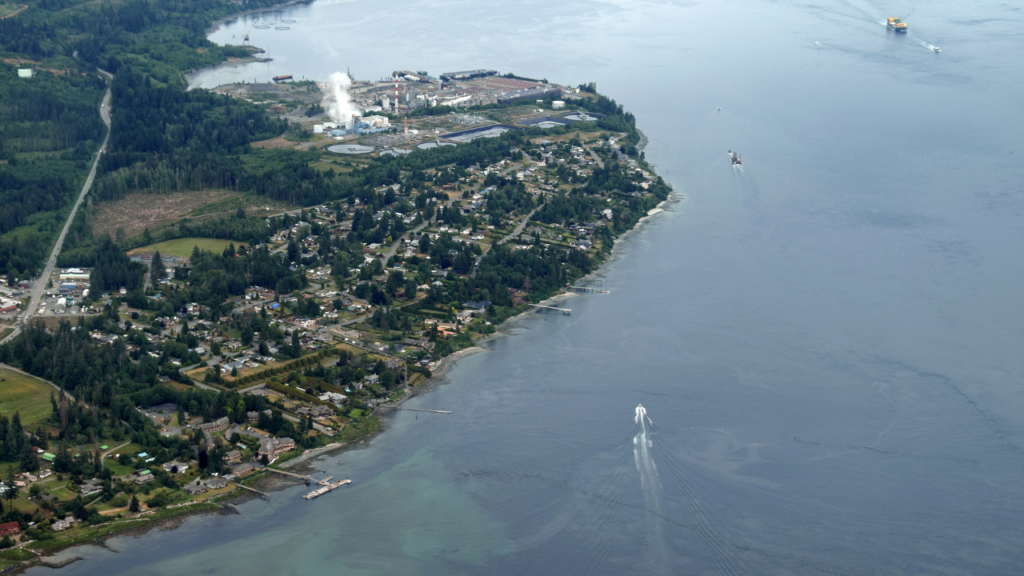
Duncan’s average January high is about 6°C, with an average low around 0°C. Most winter days on the east side of the Island stay in the low single digits, with occasional cold snaps and the odd snowfall.
That’s an easy climate for a modern heat pump. Systems that keep working in Prairie and Interior winters have plenty of headroom here. The days that test a heat pump most on the Island aren’t the coldest ones, they’re the damp ones hovering just above freezing, where frost forms quickly on the outdoor coil.
What Changes When the Temperature Drops
Heat pumps do behave a little differently in winter. Knowing what’s normal helps you tell the difference between a system doing its job and one that needs attention.
Efficiency goes down gradually. The colder it gets, the harder the system works to pull heat from the air. Your heat pump will use more electricity on a 0°C day than a 10°C day, but it’s still far more efficient than electric resistance heating.
Defrost cycles kick in. In cool, wet weather, frost builds up on the outdoor unit. The system briefly reverses to melt it off. You may see steam rising from the unit or hear a whoosh, and indoor airflow may pause for a few minutes. That’s completely normal.
Run times get longer. On colder days, a properly sized heat pump runs longer, steadier cycles rather than switching on and off. That’s how it maintains even comfort.
Supply air feels warm, not hot. Heat pump air is often a little cooler than air from a gas furnace, but it flows more continuously. The room temperature ends up the same, just reached more gently.
Cold Climate Heat Pumps vs Standard Models
Not every heat pump is built for the same conditions. A cold climate heat pump uses variable speed compressors and enhanced refrigerant systems designed to hold their heating output much further below freezing.
For Vancouver Island homes, a cold climate model offers a few practical benefits:
- Consistent heat through the occasional deep cold snap
- Better efficiency across the whole winter, not just the coldest days
- Eligibility for programs that require cold climate equipment, including the new federal heat pump rebate announced this fall
When we size a system, we look at your home’s heat loss on the coldest design days for the Cowichan Valley, not just the average day. That’s what keeps a heat pump comfortable in February as well as October.
Do You Need Backup Heat?
For most homes in Duncan and the surrounding area, a correctly sized heat pump handles the full heating season on its own.
Backup heat can still make sense in a few situations:
- Homes at higher elevation that see more frequent cold snaps
- Older homes with significant heat loss that can’t be improved right away
- Households that want extra peace of mind during power or equipment issues
Common options include electric resistance strips built into the air handler, keeping existing baseboards in a few rooms, or a dual fuel setup that pairs a heat pump with a gas furnace for the coldest hours. We’ll tell you honestly whether your home needs any of it.
Getting the Best Winter Performance
A few simple habits make a real difference on cold days:
- Set it and leave it. Large overnight setbacks force the system to work hard to recover in the morning. Steady temperatures are more efficient.
- Keep the outdoor unit clear. Clear away snow, leaves, and debris so air can flow freely and defrost water can drain.
- Change filters regularly. Restricted airflow reduces heating output.
- Book annual maintenance. A pre winter service checks refrigerant levels, defrost controls, and electrical components before the cold arrives.
Making the Switch With Confidence
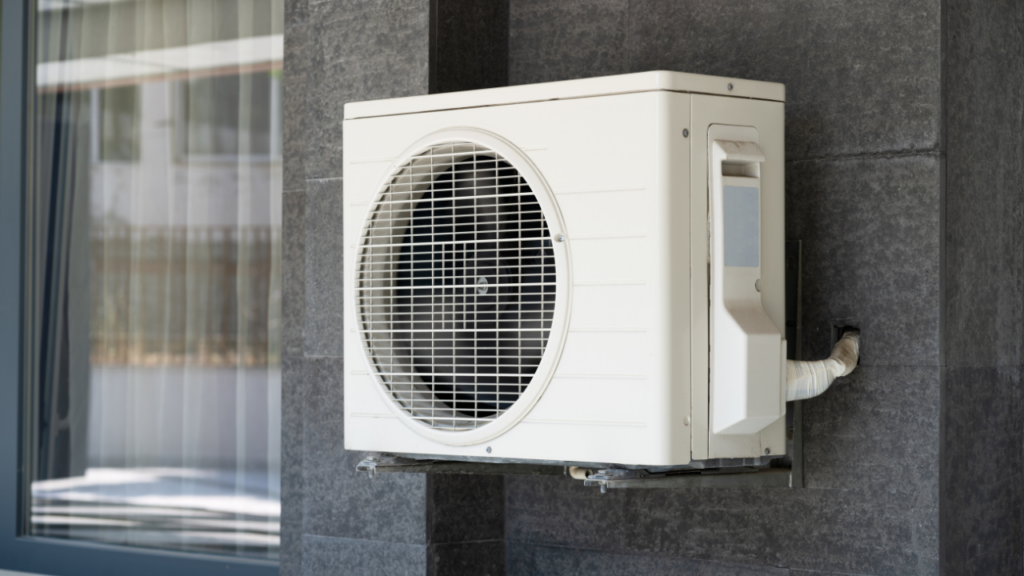
So, do heat pumps work in cold weather? On Vancouver Island, the answer is a confident yes. Our winters sit comfortably within what modern systems are designed to handle, and a well sized cold climate heat pump will keep your home warm all season while using far less energy than electric resistance heat.
There’s also strong financial support right now. Our guide to heat pump rebates in BC for 2026 breaks down what’s available and how to claim it.
Westisle Heating & Cooling has been helping Cowichan Valley homeowners stay comfortable since 1989. Get in touch with our team to find out which heat pump is the right fit for your home and our winters.
Frequently Asked Questions
Do heat pumps work in cold weather on Vancouver Island?
Yes. Duncan’s average January low is around 0°C, well within the operating range of modern heat pumps. Most Island homes can rely on a heat pump as their main heating system all winter.
How cold is too cold for a heat pump?
It depends on the model. Many cold climate heat pumps keep producing heat down to minus 25°C or lower, which is far colder than the Cowichan Valley typically gets.
Why does my heat pump steam or make noise in winter?
That’s usually the defrost cycle melting frost off the outdoor coil. It’s normal, lasts a few minutes, and is more common on damp days near freezing.
Do heat pumps use more electricity in winter?
Yes, somewhat. Colder air means the system works harder, so energy use rises. It’s still significantly more efficient than baseboards or an electric furnace.
Do I need a backup heat source with a heat pump?
Most Vancouver Island homes don’t. Backup heat can help in higher elevation homes, older homes with high heat loss, or where you want extra reassurance during cold snaps.
What’s the difference between a cold climate heat pump and a regular one?
A cold climate heat pump is engineered to keep its heating output and efficiency much further below freezing, using variable speed compressors and enhanced refrigerant systems.