
If you own a heat pump – or you’re thinking about installing one – this is one of the most practical questions to get answered early. How often does a heat pump need to be serviced, and what does that actually involve?
The good news is the answer is straightforward. Keeping up with regular servicing is one of the simplest and most cost-effective ways to protect your system, maintain efficiency, and avoid unexpected breakdowns. Our HVAC maintenance team works with homeowners across the Cowichan Valley and Vancouver Island, and heat pump servicing is one of the most common things we’re called in for.
The Standard Recommendation: Once a Year
For the vast majority of homes, professional heat pump servicing once per year is the right interval. It’s what most manufacturers recommend, and it’s typically what’s required to keep your warranty valid. One annual visit covers the full range of checks, cleans, and adjustments needed to keep the system running as it should.
One thing that makes consistent servicing especially important for heat pumps is that they run year-round. Unlike a furnace that only operates in winter or an air conditioner that only runs in summer, a heat pump handles both heating and cooling – which means it accumulates significantly more operating hours than either of those systems alone. According to Natural Resources Canada, regular professional maintenance is one of the key factors in keeping a heat pump efficient and extending its lifespan.

When Is the Best Time to Book a Service?
Timing your annual service well makes a real difference. The shoulder seasons – spring or early fall – are the ideal window.
Servicing in spring means your system is fully tuned before the summer cooling season gets underway. Servicing in early fall means it’s ready for the heavier demands of winter heating. Either way, you’re heading into your peak season with a system that’s been inspected, cleaned, and confirmed to be running correctly.
Booking in the shoulder seasons also tends to mean better availability and faster turnaround. Calling for service in the middle of a cold snap – when every HVAC technician in the region is busy – is a much less comfortable position to be in.
What Does a Heat Pump Service Visit Include?
A thorough annual service visit covers considerably more than a visual once-over. Here’s what a qualified technician typically works through:
Filter inspection and replacement. A clean filter is essential for airflow and efficiency. The technician will check the filter and replace it if needed, and advise on how frequently it should be changed for your household.
Coil cleaning. Both the indoor evaporator coil and the outdoor condenser coil accumulate dirt over time. Dirty coils reduce the system’s ability to transfer heat efficiently and make it work harder than necessary. Cleaning them restores proper performance.
Refrigerant check. The technician will verify refrigerant levels and inspect for leaks. Low refrigerant reduces efficiency and, if left unaddressed, can cause serious damage to the compressor.
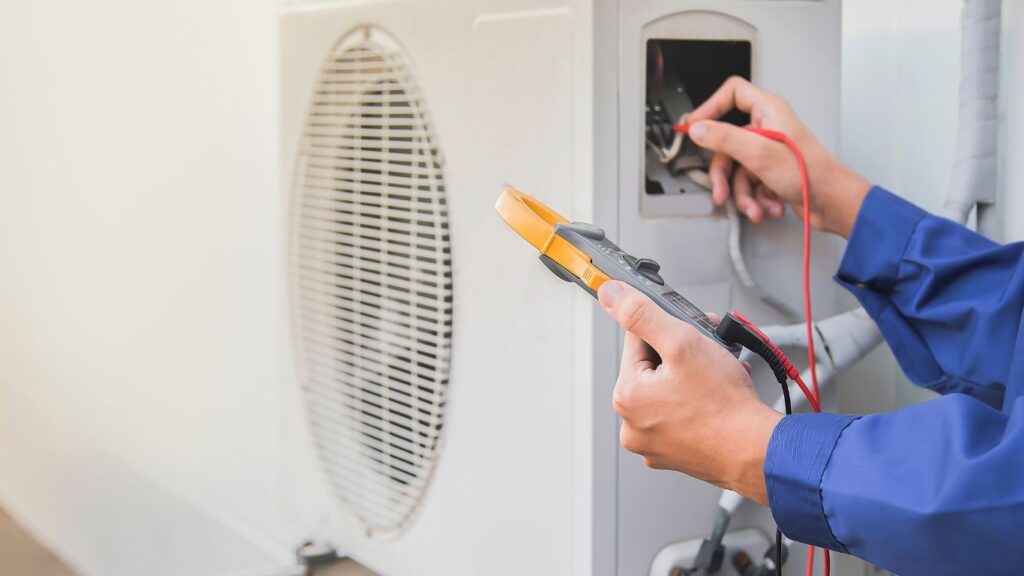
Electrical connections and components. Loose or corroded connections are a common source of reliability problems. A service visit includes checking and tightening connections, testing capacitors, and inspecting other electrical components.
Thermostat calibration. Confirming the thermostat is reading and responding accurately ensures the system cycles correctly – neither overworking nor underperforming.
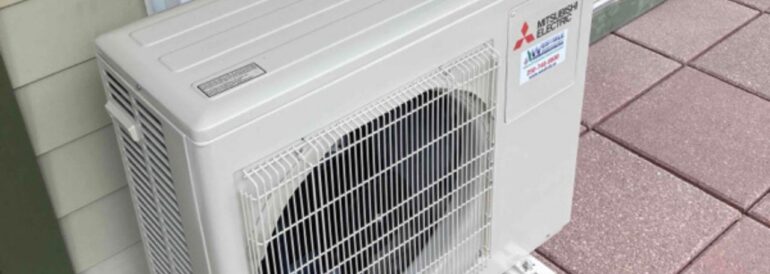
Outdoor unit inspection. The technician will check the outdoor unit for debris, damage, and adequate clearance, cleaning it as needed.
Safety controls and defrost cycle check. Heat pumps have built-in safety controls and a defrost cycle that manages ice buildup on the outdoor unit in cold weather. A service visit confirms both are functioning correctly.
Full system performance check. The technician will run the system through heating and cooling modes to confirm it’s performing as expected and flag anything that needs attention.
Are There Situations Where More Frequent Servicing Makes Sense?
Once a year covers most households, but a few circumstances can justify more frequent attention.
Older systems. A heat pump that’s 15 years or older is more likely to develop issues between annual visits. A mid-year check-in – particularly heading into winter – can be worth scheduling for older equipment.
Homes with pets. Pet hair and dander accelerate filter clogging and can build up on the coils more quickly than in pet-free homes. More frequent filter checks are especially important in these households.
After unusual events. If your system has been through a power surge, a storm that may have affected the outdoor unit, or a period of unexplained behaviour, it’s worth having a technician take a look even if the last service was recent.
When something seems off. Rising energy bills, unusual noises, rooms that aren’t reaching temperature, or a system that’s cycling more frequently than normal are all worth acting on rather than waiting for the next scheduled visit.
What You Can Do Between Service Visits
Annual professional servicing handles the technical side of heat pump maintenance. A few simple habits between visits also make a meaningful difference.
Change your filter regularly. For most standard filters, checking monthly and replacing every one to three months is the right approach. A clean filter is the single most impactful thing a homeowner can do for their heat pump between professional visits.
Keep the outdoor unit clear. Leaves, grass clippings, and debris around the outdoor unit restrict airflow and reduce efficiency. Keep the area around it clear and give it a gentle rinse with a hose periodically to remove surface buildup.
Don’t block indoor registers. Furniture or objects placed over vents restrict airflow through the system. Keep all registers open and unobstructed.
Don’t interrupt the defrost cycle. In cold weather, it’s normal to see steam rising from the outdoor unit or notice the system briefly appearing to run in reverse. That’s the defrost cycle clearing ice from the outdoor coil – a normal and necessary process. Let it complete rather than switching the system off.
Monitor how the system is running. Changes in performance, unusual sounds, or longer run times are all worth noting. Mention them at your next service visit, or call sooner if something seems significantly off.
What Happens If You Skip Servicing?
A heat pump that seems to be running fine can still be losing efficiency gradually in ways that aren’t immediately obvious – dirty coils, slightly low refrigerant, a component beginning to wear. The consequences of skipping service visits tend to build on each other over time.
A dirty coil reduces efficiency. Reduced efficiency makes the compressor work harder. A compressor working harder than it should wears out faster. What would have been a minor, inexpensive fix at a service visit can develop into a significant repair – or a system failure well before the end of the heat pump’s expected lifespan.
Skipping servicing can also affect your manufacturer warranty. Most warranties require documented annual maintenance by a qualified technician – it’s worth checking your warranty terms to understand what’s required for your specific system.
If it’s been a while since your heat pump was last looked at, our heat pump services team can assess where things stand and get everything back on track.

Protecting Your Heat Pump for the Long Term
How often does a heat pump need to be serviced? For most homeowners, once a year is the right answer – ideally timed to the shoulder season before your heaviest period of use. That single annual visit keeps your system efficient, protects your warranty, and gives a technician the chance to catch anything developing before it becomes a problem.
A heat pump is a significant investment in your home’s comfort. Regular servicing is the most straightforward way to make sure it delivers on that investment for as long as possible.
Westisle Heating & Cooling has been servicing heating and cooling systems across Duncan and Vancouver Island since 1989. Whether you’re due for your annual visit or just want to make sure your system is in good shape heading into the next season, we’re here to help.
Contact our team today to book your next heat pump service.
Frequently Asked Questions
How often does a heat pump need to be serviced?
Once a year is the standard recommendation for most homes. Annual professional servicing keeps the system running efficiently, maintains warranty coverage, and gives a technician the chance to catch developing issues before they become costly repairs.
What is the best time of year to service a heat pump?
Spring or early fall are ideal – before the system faces its peak heating or cooling demand. The shoulder seasons typically offer better scheduling availability and ensure the system is fully prepared for its busiest period.
What does a heat pump service visit include?
A thorough annual service covers filter inspection and replacement, coil cleaning, refrigerant checks, electrical connections, thermostat calibration, outdoor unit inspection, safety control testing, and a full performance check across both heating and cooling modes.
Can I service my heat pump myself?
Homeowners can handle filter changes and keeping the outdoor unit clear of debris. The technical side of servicing – coil cleaning, refrigerant checks, electrical inspections, and safety control testing – requires a licensed technician with the right training and equipment.
Will skipping an annual service affect my warranty?
It can. Many manufacturer warranties require documented annual maintenance by a qualified technician. Check your warranty terms to understand what’s required for your specific system.
How do I know if my heat pump needs attention between annual visits?
Rising energy bills, unusual noises, inconsistent heating or cooling, more frequent cycling, or a system that’s struggling to reach the set temperature are all signals worth acting on. Don’t wait for the next scheduled visit if something seems significantly off.