

If some rooms in your home are warm and comfortable while others stay stubbornly cold, you’re not imagining things – and you’re not alone. Uneven heating is one of the most common complaints homeowners have about their heating systems, and it’s rarely caused by one single thing.
The good news is that most causes of uneven heating are diagnosable and fixable. This guide walks through the most likely culprits and what you can do about them. If you’d like a professional to take a look, our HVAC maintenance team serves homeowners across the Cowichan Valley and Vancouver Island.
Why Is My House Heating Unevenly?
Before jumping to solutions, it helps to understand what’s actually causing the problem. Uneven heating usually comes down to one of a few things: something is restricting airflow, the system isn’t sized correctly for the home, heat is escaping somewhere it shouldn’t be, or the layout of the home is working against the system.
Here are the most common causes to work through.

Check Your Air Filter First
A clogged air filter is the first thing to rule out. When the filter is heavily blocked, airflow through the system drops significantly – and rooms furthest from the air handler or heat pump are the first to suffer. They simply aren’t receiving enough conditioned air to reach temperature.
Pull out your filter and take a look. If it’s dark grey and visibly blocked, replace it and give the system a day or two to recover. For most homes, filters should be checked monthly and replaced every one to three months.
Make Sure All Vents and Registers Are Open
It might seem like closing vents in unused rooms would help direct heat where it’s needed – but it doesn’t work that way. Closing registers increases pressure in the ductwork, which can actually reduce overall system efficiency and airflow to other areas of the home.
Walk through your home and check that every supply and return register is fully open and unobstructed. Furniture, rugs, and curtains are common culprits. Even partially blocked vents can meaningfully affect how heat distributes through the home.
Inspect Your Ductwork for Leaks or Damage
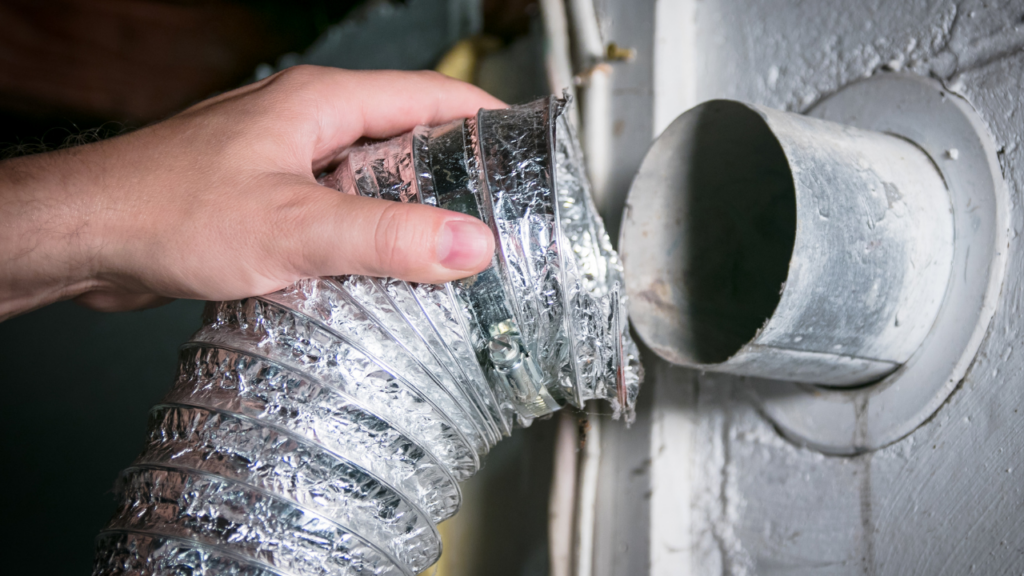
If your home has a ducted system, leaking ductwork is one of the most common and underdiagnosed causes of uneven heating. When ducts have gaps, poor connections, or damage – particularly in unconditioned spaces like attics, crawlspaces, or wall cavities – warm air escapes before it reaches the rooms it’s meant to heat.
Signs of duct leakage include rooms that never seem to reach temperature despite the system running, noticeably different temperatures between floors, and energy bills that seem higher than they should be. A technician can inspect and seal your ductwork to restore proper airflow distribution.
Consider Whether Your System Is the Right Size
An undersized heating system will run almost constantly trying to keep up with demand and still never quite get there – particularly in the coldest rooms. An oversized system short-cycles, turning on and off too quickly to distribute heat evenly before it shuts down again.
If your system was installed without a proper load calculation, or if you’ve made significant changes to your home since it was installed – added an extension, improved insulation, changed window configurations – it’s worth having a technician confirm the system is still appropriately sized for your home.
Look at How Your Home Is Insulated
Even a perfectly functioning heating system will struggle to maintain even temperatures in a home that’s poorly insulated or has significant air leaks. Heat naturally migrates toward colder areas – walls, windows, attics – and rooms with poor insulation or draught problems lose heat much faster than well-sealed spaces.
Common problem areas include:
- Rooms above uninsulated garages or crawlspaces
- Rooms with large north-facing windows
- Top-floor rooms where heat escapes through the ceiling into the attic
- Older homes where insulation has settled or was never upgraded
Improving insulation and sealing air leaks benefits your heating system’s performance across the whole home, not just the affected rooms.
Think About Your Home’s Layout and the System’s Design
Some homes are simply harder to heat evenly than others. Multi-storey homes naturally see heat stratify – warm air rises, so upper floors are easier to heat than lower ones. Rooms at the end of long duct runs may receive less airflow than rooms closer to the air handler. Rooms with high ceilings can feel cold at floor level even when the average air temperature is adequate.
In these situations, the fix isn’t always about repairing something – it’s about adapting the system to work better with the home’s layout.
Solutions Worth Considering
Once you’ve identified the likely cause, here are the most effective fixes depending on what you’re dealing with.
Zoning. Adding a zoning system to a ducted setup allows different areas of the home to be controlled independently. Motorised dampers in the ductwork open and close to direct airflow where it’s needed, rather than treating the whole home as a single space.
A ductless unit for problem areas. For a room that consistently underperforms – a basement suite, a converted garage, a room at the far end of a duct run – a ductless heat pump installed in that specific space is often the most practical and cost-effective fix. It conditions the room directly without relying on the central system to push airflow that far.
Duct sealing and balancing. If leaking or poorly balanced ductwork is the issue, a technician can seal gaps and adjust dampers to improve how airflow distributes through the home. This often makes a significant difference without requiring any new equipment.
A system upgrade. If your heating system is aging, undersized, or simply not up to the job, replacing it with a correctly sized modern heat pump is sometimes the most straightforward long-term solution – particularly when paired with properly designed ductwork or a ductless configuration that suits your home’s layout.

Getting Consistent Comfort Throughout Your Home
Uneven heating is frustrating, but it’s almost always solvable once you know what’s behind it. Some fixes are simple – a filter change or opening a blocked register. Others require a professional to properly diagnose and address the underlying cause.
At Westisle Heating & Cooling, we’ve been helping homeowners across Duncan and Vancouver Island get consistent, reliable comfort from their heating systems since 1989. Whether it’s a straightforward fix or something that needs a closer look, we’ll give you an honest assessment and practical options.
Contact our team today and we’ll help get every room in your home up to temperature.
Frequently Asked Questions
Why is my house heating unevenly even though my system is running?
The most common causes are a clogged air filter, blocked or closed registers, leaking ductwork, poor insulation in certain rooms, or a system that isn’t correctly sized for the home. Start with the filter and registers before assuming a more serious issue.
Can closing vents in unused rooms help with uneven heating?
No – closing registers increases pressure in the ductwork and can actually reduce efficiency and worsen airflow to other rooms. Keep all registers open and address the root cause of the imbalance instead.
Why is one room always colder than the rest of the house?
Rooms at the end of long duct runs, rooms above uninsulated spaces, and rooms with poor insulation or air leaks are the usual suspects. A ductless heat pump installed in that room is often the most effective fix.
Does uneven heating mean I need a new system?
Not necessarily. In many cases, the issue is ductwork, insulation, or airflow rather than the heating system itself. A technician can assess whether the system is the problem or whether simpler fixes will resolve the imbalance.
How does a ductless heat pump help with uneven heating?
A ductless unit conditions a specific room directly, without relying on the central system to push airflow that far. It’s a practical solution for rooms that consistently underperform, like basement suites, additions, or rooms at the far end of a duct run.
How often should I service my heating system to prevent uneven heating issues?
Once a year is the standard recommendation. Annual servicing includes checking airflow, inspecting ductwork, and confirming the system is balanced – all things that directly affect how evenly heat distributes through your home.