
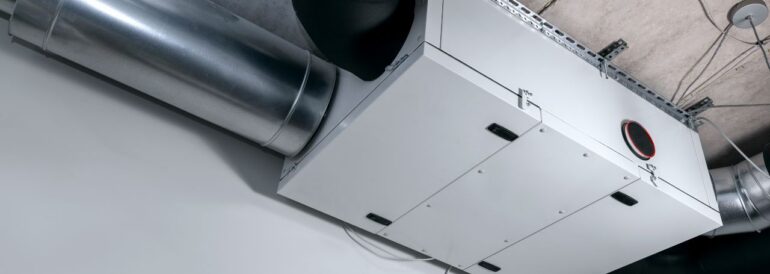
If you’ve been looking into improving your home’s ventilation, you’ve likely come across heat recovery ventilators – and you’re probably wondering what an HRV system cost looks like before committing to anything. It’s a fair question, and the answer depends on more than just the unit price.
This guide breaks down what BC homeowners can realistically expect to pay for HRV installation in 2026, what drives costs up or down, and how to make sure you’re getting the right system for your home. Our heat recovery ventilation team serves homeowners across the Cowichan Valley and Vancouver Island and can walk you through your options.
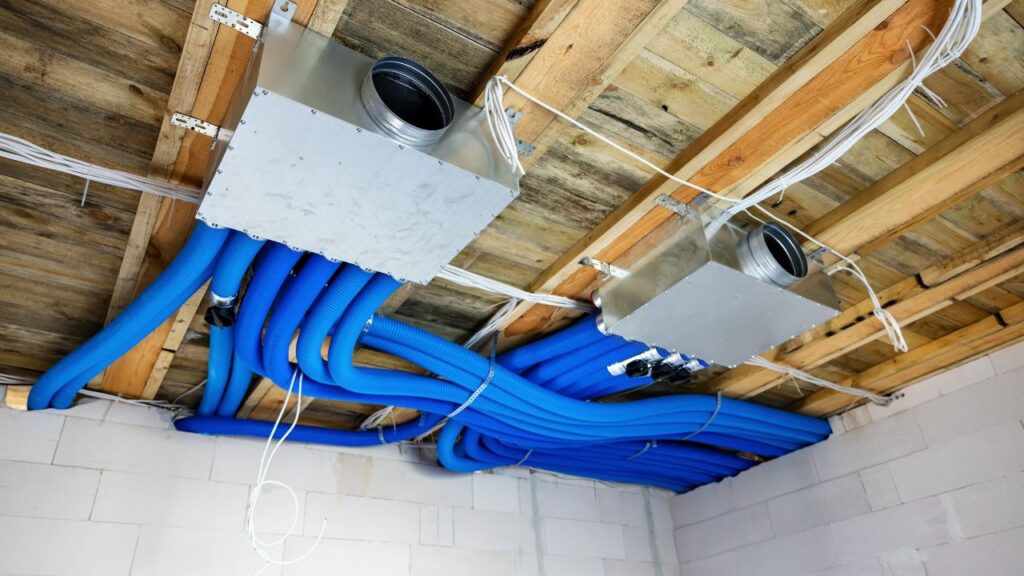
What Is an HRV and Why Does It Matter?
A heat recovery ventilator is a mechanical ventilation system that continuously exchanges stale indoor air for fresh outdoor air – without throwing away the heat you’ve already paid for. It does this by passing the two airstreams through a heat exchange core, where up to 80% of the heat from the outgoing air is transferred to the incoming fresh air before the streams separate.
The result is a home with consistently better air quality, lower humidity buildup, and less strain on your heating system – all without the energy waste that comes from simply opening a window in January.
In BC, HRVs are now required in new residential construction under the BC Building Code. But they’re also a smart upgrade for existing homes – particularly well-insulated, airtight homes where indoor air quality can suffer without proper mechanical ventilation. According to Natural Resources Canada, well-maintained mechanical ventilation systems are a key component of an energy-efficient, healthy home.
What Does HRV System Cost Include?
When you’re budgeting for an HRV, there are two main components to account for: the unit itself and the installation.
The unit. Residential HRV units typically range from $700 to $2,500 depending on the brand, capacity, and features. Larger homes or those with higher ventilation demands require higher-capacity units, which sit at the upper end of that range. Units with smart controls, enhanced filtration, or advanced defrost features also cost more.
Installation and labour. This is where costs vary the most. Labour typically runs from $600 to $4,000 or more depending on the complexity of the job. A straightforward installation in a newer home with accessible ductwork is considerably less involved than a retrofit in an older home where new duct runs need to be added.
Additional costs to factor in. Depending on your home’s setup, you may also need to account for:
- New ductwork if your home doesn’t have existing runs that can accommodate the HRV
- Electrical work to run a dedicated circuit to the unit
- Exterior wall penetrations for fresh air intake and exhaust
- System balancing and commissioning after installation
- Permits, where required
Typical HRV System Cost Ranges for BC Homeowners
Every installation is different, but here are realistic ranges for BC homeowners to use as a starting point:
Straightforward installation in a home with existing compatible ductwork: $1,600 to $3,700 for the full installed system – unit and labour combined. This is the most common scenario for homes that already have a forced-air furnace and accessible ductwork.
New construction installation during the framing stage: Costs are generally lower when the HRV is installed as part of a new build, since ductwork can be planned from the ground up. Expect $2,000 to $4,000 depending on the system and home size.
Retrofit installation requiring new ductwork: This is the most variable scenario. If significant new ductwork is needed, total costs can range from $4,000 to $8,000 or higher. The scope of the ductwork required is the biggest driver of cost in these situations.
These are general benchmarks – your actual HRV system cost will depend on your home’s layout, the system you choose, and what work is required to integrate it properly. The best way to get an accurate number is to have a qualified technician assess your home.
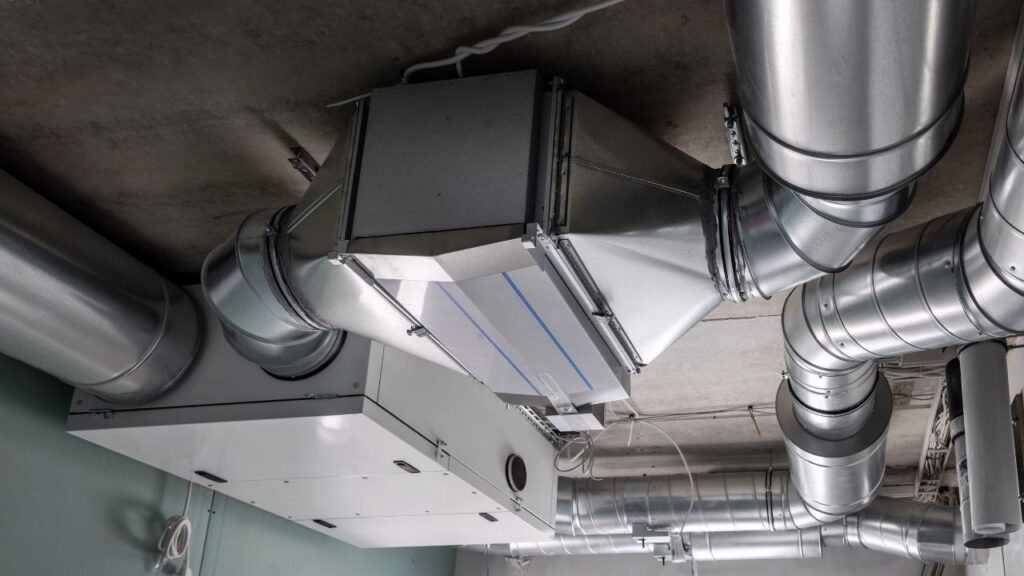
What Affects HRV System Cost Most?
A few factors have the biggest influence on what you’ll end up paying.
Existing ductwork. Whether your home already has ductwork that can accommodate the HRV is the single biggest cost variable. Homes with a forced-air furnace and accessible ductwork are much more straightforward to work with than homes without any existing duct infrastructure.
Home size. Larger homes require higher-capacity units and more extensive duct runs, both of which increase the overall cost.
Installation complexity. Older homes with finished walls, limited attic or basement access, or unconventional layouts take more time and skill to work through. A retrofit in a newer home with open ceilings and accessible mechanical spaces is a very different job.
System type and features. A basic unit from a reputable manufacturer does the job well. Upgrading to a model with smart controls, a higher-efficiency heat exchange core, or enhanced filtration capabilities adds to the unit cost but may offer long-term benefits worth the investment.
Labour rates. Local labour rates and installation complexity both affect what you’ll pay for the installation portion of the job.
HRV vs ERV: Does the Choice Affect Cost?
You may also come across energy recovery ventilators – ERVs – when researching your options. An ERV works similarly to an HRV but also transfers moisture between the airstreams, which helps maintain indoor humidity levels in climates where that’s a consideration.
In BC’s generally moderate, humid coastal climate, an HRV is typically the recommended choice for most homes – it removes excess indoor moisture rather than retaining it. ERVs tend to suit drier or more extreme climates where maintaining indoor humidity in winter is a priority.
From a cost standpoint, HRV and ERV systems are broadly comparable – the equipment and installation requirements are similar. The right choice depends on your home and climate, not primarily on price.
Is There Financial Help Available?
Rebate eligibility for HRV systems can vary and program details change regularly – always confirm current offerings with a qualified contractor or directly through the relevant program.
BC Hydro’s Home Renovation Rebate Program has historically included ventilation improvements as part of broader home efficiency upgrades. The Canada Greener Homes program has also offered support for energy efficiency measures including ventilation. Whether specific rebates apply to a standalone HRV installation in your situation is worth discussing with your technician before you proceed.
Even without a direct rebate, an HRV is often eligible as part of a bundled upgrade package alongside other qualifying improvements.
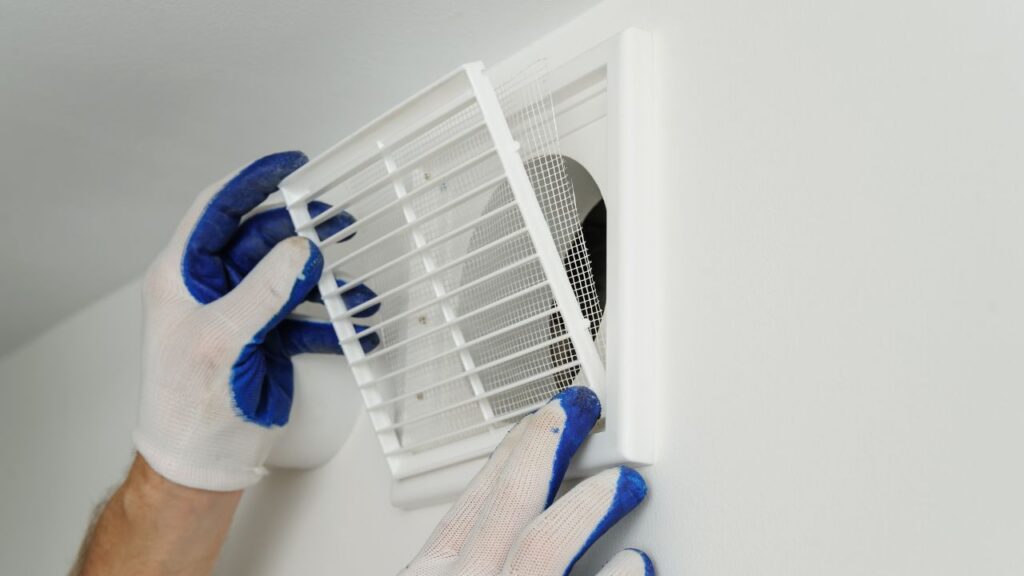
Keeping Your HRV Running Well After Installation
An HRV is a low-maintenance system, but it does need some regular attention to perform as intended. Filters should be cleaned or replaced every three to six months depending on your household. The heat exchange core itself should be cleaned annually, and a professional inspection every year or two ensures the system is balanced and operating correctly.
Keeping up with this basic care protects your investment and keeps your indoor air quality – the whole reason you installed the system – performing as it should. Our HVAC maintenance team can include your HRV in a regular service schedule so nothing gets overlooked.
Getting the Right System for Your Home
HRV system cost is only part of the picture. Getting the right system, properly sized, correctly installed, and balanced for your home is what determines whether you actually notice the difference in air quality and energy performance.
A system that’s undersized won’t adequately ventilate your home. One that’s poorly installed can create pressure imbalances or noise problems. And one that isn’t commissioned and balanced properly after installation won’t deliver the airflow rates it was designed for.
At Westisle Heating & Cooling, we assess your home properly before recommending a system, and we install and commission everything to manufacturer specifications. We’ve been helping homeowners across the Cowichan Valley breathe easier since 1989.
Contact our team today to get an accurate quote for HRV installation in your home.
Frequently Asked Questions
What is the average HRV system cost in BC?
For a straightforward installation in a home with compatible existing ductwork, most BC homeowners pay between $1,600 and $3,700 for a fully installed HRV system. Retrofits requiring new ductwork or more complex installations can run $4,000 to $8,000 or higher depending on the scope of work involved.
Is an HRV required in BC homes?
Yes – HRVs are now required in new residential construction under the BC Building Code. For existing homes, they’re not mandatory but are strongly recommended for well-insulated, airtight homes where indoor air quality can suffer without proper mechanical ventilation.
What’s the difference between an HRV and an ERV?
An HRV transfers heat between incoming and outgoing air without transferring moisture – making it well suited to BC’s humid coastal climate where excess indoor moisture is more often a concern than dryness. An ERV transfers both heat and moisture, which is better suited to drier climates. Both are similarly priced.
Can I install an HRV in a home without existing ductwork?
Yes, but it adds to the cost. Some HRV systems use small-diameter dedicated ductwork that can be retrofitted even into homes without a forced-air system. A technician can assess your home and recommend the most practical and cost-effective approach.
How much does it cost to run an HRV?
Running costs are minimal. An Energy Star-certified HRV on a low setting draws between 30 and 90 watts, which works out to a modest addition to your monthly electricity bill. The energy savings from heat recovery typically more than offset this over the course of a heating season.
How often does an HRV need to be serviced?
Filters should be cleaned or replaced every three to six months. The heat exchange core should be cleaned annually. A professional inspection every one to two years helps ensure the system remains properly balanced and performing as designed.