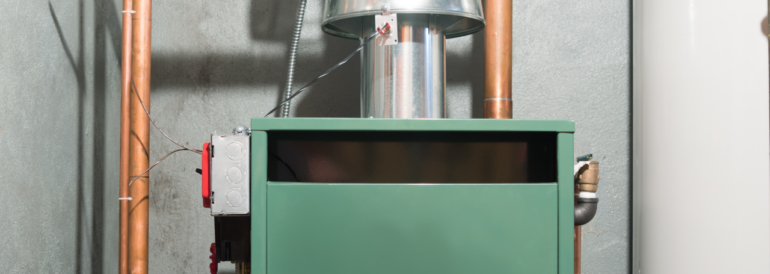
A furnace that’s running but blowing cold air is one of the more confusing heating problems a homeowner can run into. The system sounds like it’s doing its job – the fan is going, air is moving through the vents – but the temperature in your home isn’t budging. So what’s going on?
The answer depends on a few things, and some of the most common causes are easier to resolve than you’d think. This guide walks through why your furnace might be blowing cold air and what to do about it. If you need a hand, our furnace repair and service team serves homeowners across the Cowichan Valley and Vancouver Island.
Check These Things First
Before diving into more involved causes, start here. These quick checks resolve the problem more often than you’d expect.
Thermostat fan setting. Check whether your thermostat’s fan is set to “auto” or “on.” When set to “on,” the fan runs continuously – even when the furnace isn’t actively in a heating cycle. That means cool air blows from the vents between cycles, which can feel like a problem when it isn’t one. Switch the fan to “auto” and see if that makes a difference.
Thermostat mode. Make sure the thermostat is set to “heat” and not “cool.” It’s a simple thing to miss, especially after switching between seasons.
Temperature setting. If the target temperature is at or below the current room temperature, the furnace won’t call for heat. Raise the set temperature a few degrees above what the room currently reads and see if the system responds.
Give it a moment. When a furnace first kicks on, the heat exchanger needs a minute or two to warm up before heated air starts flowing. If you’ve just turned the system on, wait a couple of minutes before assuming something’s wrong.

Common Reasons a Furnace Blows Cold Air
If the basics check out and the problem persists, one of these is likely behind it.
Clogged air filter. A heavily clogged filter restricts airflow through the system, which causes heat to build up around the heat exchanger. The furnace’s high-limit switch detects this and shuts the burners off to prevent damage – but the blower fan keeps running to cool the system down. The result is cool air coming through the vents even though the furnace appears to be running.
This is one of the most common and most preventable causes of a furnace blowing cold air. Check your filter and replace it if it looks dark and blocked. Then restart the furnace and see if it recovers.
Ignition failure. If the furnace can’t establish a flame, it can’t heat the air moving through it – but the blower may still operate, pushing unheated air through your vents. Older systems with a standing pilot light may simply need the pilot relit. Newer systems with electronic ignition require a technician to diagnose and repair the fault.
Dirty flame sensor. The flame sensor’s job is to confirm that a burner flame has been established before allowing the heating cycle to continue. Over time, residue builds up on the sensor and it stops doing its job reliably. The burners shut off as a precaution, but the blower keeps running – and you get cold air. A dirty flame sensor is a relatively common and straightforward repair, but it does need a technician.
Overheating and limit switch trip. Beyond a clogged filter, other airflow restrictions – blocked vents, closed registers, or a failing blower motor – can cause the furnace to overheat and trigger the high-limit switch. The result is the same: burners off, blower running, cool air from the vents. Check that all your supply and return registers are open and unobstructed.
Condensate drain blockage. High-efficiency furnaces produce condensate as a byproduct of combustion, which drains away through a condensate line. If that line gets blocked – by debris, algae, or freezing – the furnace triggers a safety shutoff. The burners go off but the blower continues. If you have a high-efficiency unit, check whether the condensate line is clear.
Gas supply issue. If the furnace isn’t receiving gas, it won’t ignite and won’t produce heat. Check that the gas valve on the supply line is open, with the handle running parallel to the pipe. If other gas appliances in your home aren’t working either, contact your gas provider – the issue may be upstream of your furnace entirely.
Leaking ductwork. If your ducts have gaps or poor connections, warm air can escape into unconditioned spaces before it reaches your living areas. What comes out of the vents feels cool or barely warm, even though the furnace itself is working correctly. Duct leakage is easy to overlook but can have a significant impact on both comfort and energy bills.
Cracked heat exchanger. A cracked or failing heat exchanger may cause the furnace to shut the burners down as a safety measure while the blower continues to run. This is a more serious issue – beyond the cold air problem, a cracked heat exchanger can allow combustion gases including carbon monoxide to enter your home. Health Canada recommends that all homes have working carbon monoxide detectors on every level and near sleeping areas. If you suspect a heat exchanger problem, shut the furnace off and call a technician right away.

When to Call a Professional
Some of these causes are safe to investigate on your own. Others need a licensed technician from the start. Call for help if:
- Replacing the filter and correcting thermostat settings doesn’t resolve the issue
- The furnace starts, runs briefly, and then loses heat repeatedly
- You notice unusual smells or sounds during operation
- You suspect an ignition, flame sensor, or heat exchanger problem
- You smell gas near the furnace – leave the home immediately and call your gas provider and emergency services from outside
According to Technical Safety BC, gas appliance diagnosis and repair must be carried out by a licensed gas contractor. Westisle Heating & Cooling offers 24/7 emergency service across the Cowichan Valley and Vancouver Island, so you don’t have to wait when the heat goes out.
How to Prevent This From Happening Again
Most of the issues that cause a furnace to blow cold air develop gradually – and most are preventable with basic upkeep.
Replace your filter every one to three months. Keep vents and registers clear of furniture and obstructions. And schedule a professional furnace inspection and tune-up once a year, ideally before the heating season gets underway.
An annual service covers everything from flame sensor cleaning and filter checks to heat exchanger inspection and safety control testing – catching the kinds of small issues that lead to cold air on a cold morning. Our HVAC maintenance team works with homeowners across Duncan and the surrounding area to keep heating systems running reliably all winter long.

Let’s Get Your Heat Working Again
Why is my furnace blowing cold air? In most cases, it comes down to something diagnosable – a clogged filter, an ignition issue, a dirty flame sensor, or a safety control responding to a problem the system detected. Start with the simple checks, and if those don’t resolve it, a licensed technician can get to the bottom of it quickly.
Westisle Heating & Cooling has been keeping homes across the Cowichan Valley warm since 1989. We’re here to help whether it’s a straightforward fix or something that needs a closer look.
Contact our team today and we’ll get your furnace back on track.
Frequently Asked Questions
Why is my furnace blowing cold air even though it’s running?
The most common causes are a clogged filter triggering an overheat shutoff, a thermostat fan set to “on” instead of “auto,” ignition failure, or a dirty flame sensor. Start with the thermostat settings and the filter – those two checks alone resolve a lot of these situations.
Is it normal for a furnace to blow cool air at startup?
Yes, briefly. It takes a minute or two for the heat exchanger to warm up when a furnace first starts a heating cycle. If the air doesn’t warm up after a few minutes, there’s likely an underlying issue worth looking into.
Can a dirty filter really cause my furnace to blow cold air?
Yes – it’s one of the most common causes. A clogged filter restricts airflow, causes the heat exchanger to overheat, and trips the high-limit switch. The burners shut off but the blower keeps running, pushing cool air through the vents. Replacing the filter often resolves it entirely.
What does it mean if my furnace starts and then switches to cold air?
A furnace that heats briefly and then loses heat is often dealing with a dirty flame sensor, a tripped limit switch, or a condensate drain blockage. The burners shut down but the blower continues. This usually requires a professional to diagnose and repair.
Should I be worried about carbon monoxide if my furnace is blowing cold air?
In most cases, cold air from a furnace is not a carbon monoxide risk. However, if a cracked heat exchanger is the cause, combustion gases could potentially enter your living space. Make sure you have working carbon monoxide detectors installed, and if you suspect a heat exchanger problem, shut the system off and call a technician immediately.
How do I prevent my furnace from blowing cold air in the future?
Regular filter changes, annual professional servicing, and keeping vents clear are the most effective preventive steps. Most causes of a furnace blowing cold air develop gradually and are easy to catch early with routine maintenance.